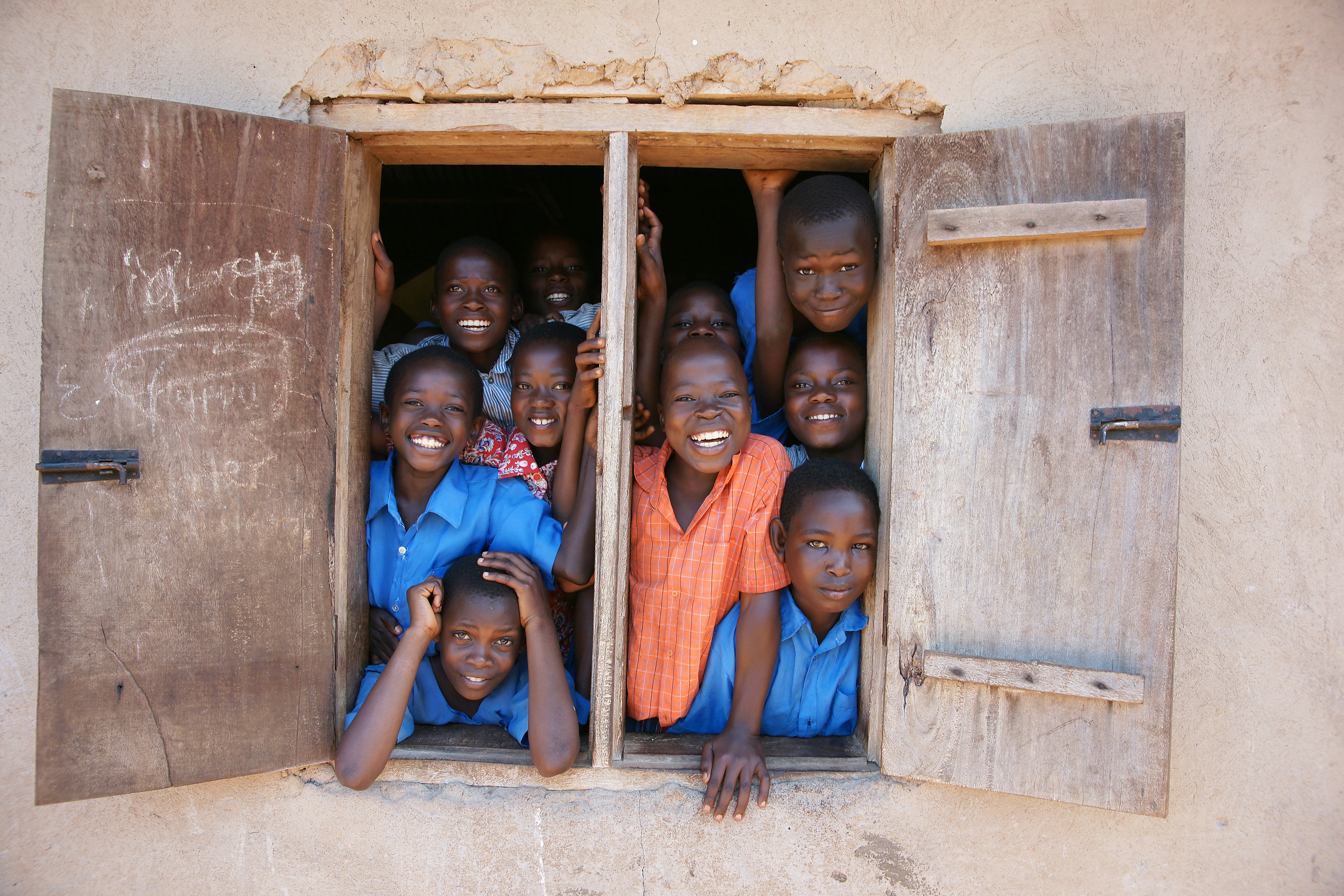
UNICEF Kenya reports 2.5 million out-of-school children, reflecting the scale of interrupted access to learning.
UNICEF Kenya Child Sensitive Snapshot, December 2025Impact
Every number points back to a life, a family, and a future.
We work in a country where too many children are still pushed back by poverty, interrupted learning, nutrition pressures, and fragile pathways into opportunity.
National Picture
Across Kenya, the pressures shaping childhood are visible and measurable.
Education, health, and youth development are deeply connected. When one area is strained, the others feel it too.
Educational exclusion remains one of the clearest barriers to long-term opportunity for children in Kenya.
We answer this pressure through scholarships, mentoring, school supplies, and stronger continuity in learning.
Pressure Map
County and regional pressure points show where needs intensify.
Some pressures are not evenly distributed. These areas stand out more sharply when nutrition and poverty indicators are viewed side by side.
Kitui
46%Stunting rate
UNICEF Kenya reports that child stunting is as high as 46 per cent in Kitui.
UNICEF Kenya NutritionWest Pokot
46%Stunting rate
West Pokot is also cited by UNICEF Kenya as reaching 46 per cent stunting among children.
UNICEF Kenya NutritionASAL counties
20%Wasting can exceed
UNICEF Kenya notes that wasting rises above 20 per cent in many arid and semi-arid counties.
UNICEF Kenya NutritionRural and ASAL regions
42.4%National child poverty context
The national child poverty rate is 42.4 per cent, with rural and ASAL regions identified as the most deprived.
UNICEF Kenya Child Sensitive Snapshot, December 2025Challenge vs Response
Our work sits inside a challenge that is much larger than any one organization.
These comparisons are not trying to claim one-for-one equivalence. They show the scale of the challenge beside the scale of the support we are building.
Education
Healthcare
Youth Development
CZN Response
Our response is still growing, but it is already reaching real children and families.
These figures do not claim to solve the wider national challenge on their own. They show the scale of support we have already been able to place around children, caregivers, and communities.
What Response Looks Like
Education, health, and sports answer different parts of the same challenge.
We are strongest when these areas move together and reinforce one another in a child's life.
Education support in response
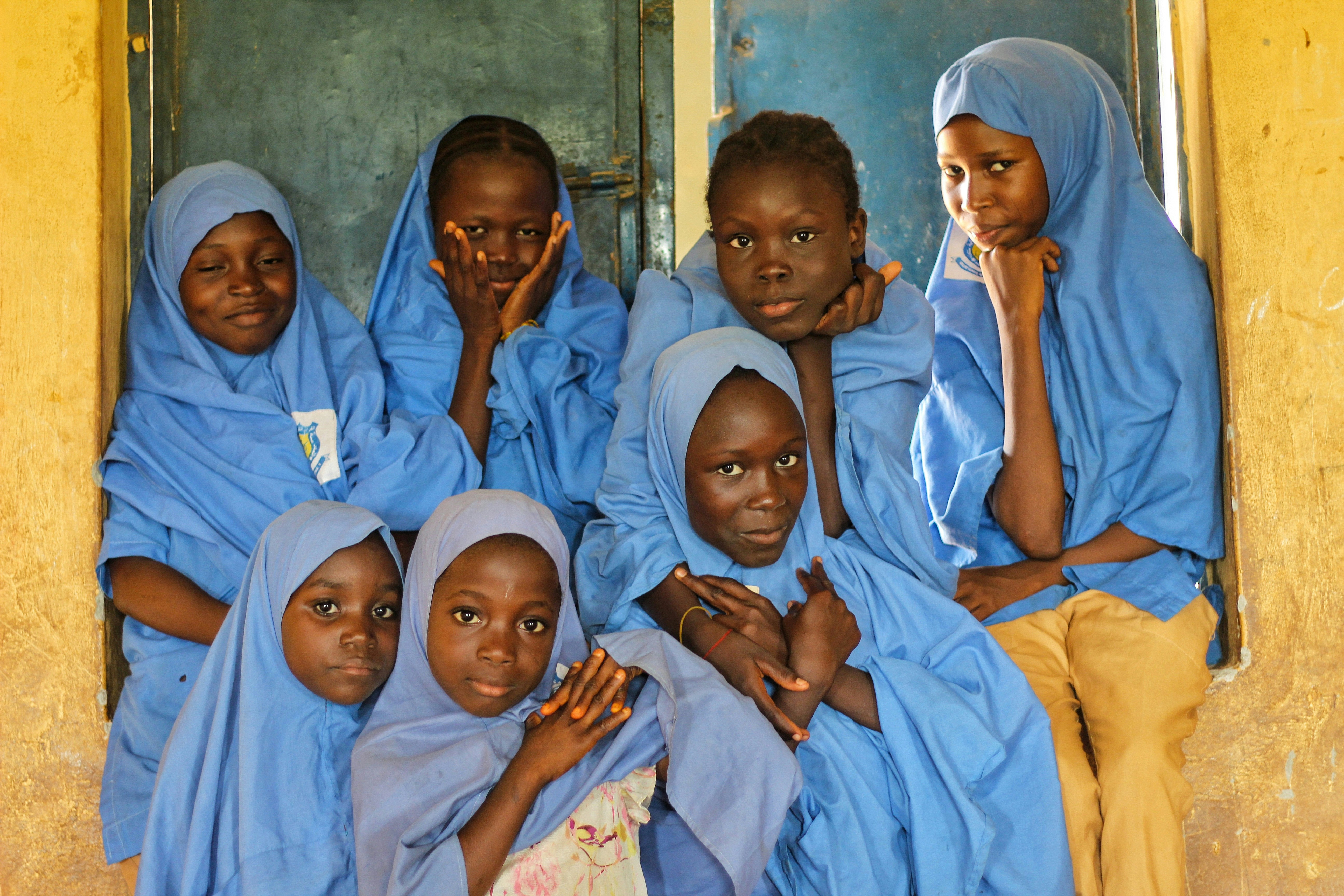
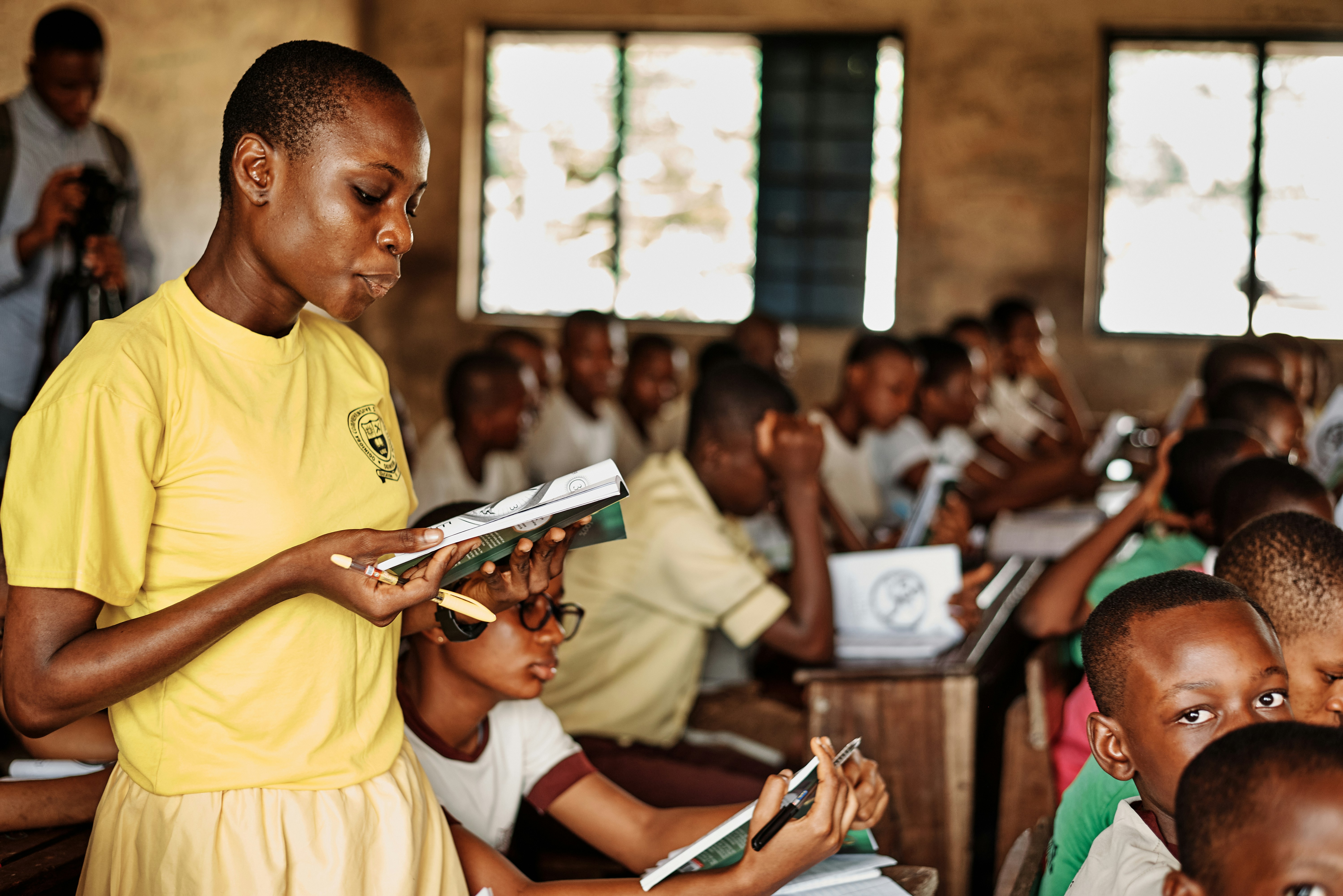
We respond to educational barriers through scholarships, learning resources, and mentoring that help children remain present in school and continue progressing.
Health outreach in response
Our healthcare work meets wellbeing challenges through consultations, community outreach, nutrition-related support, and maternal and family-focused care.
Youth development in response
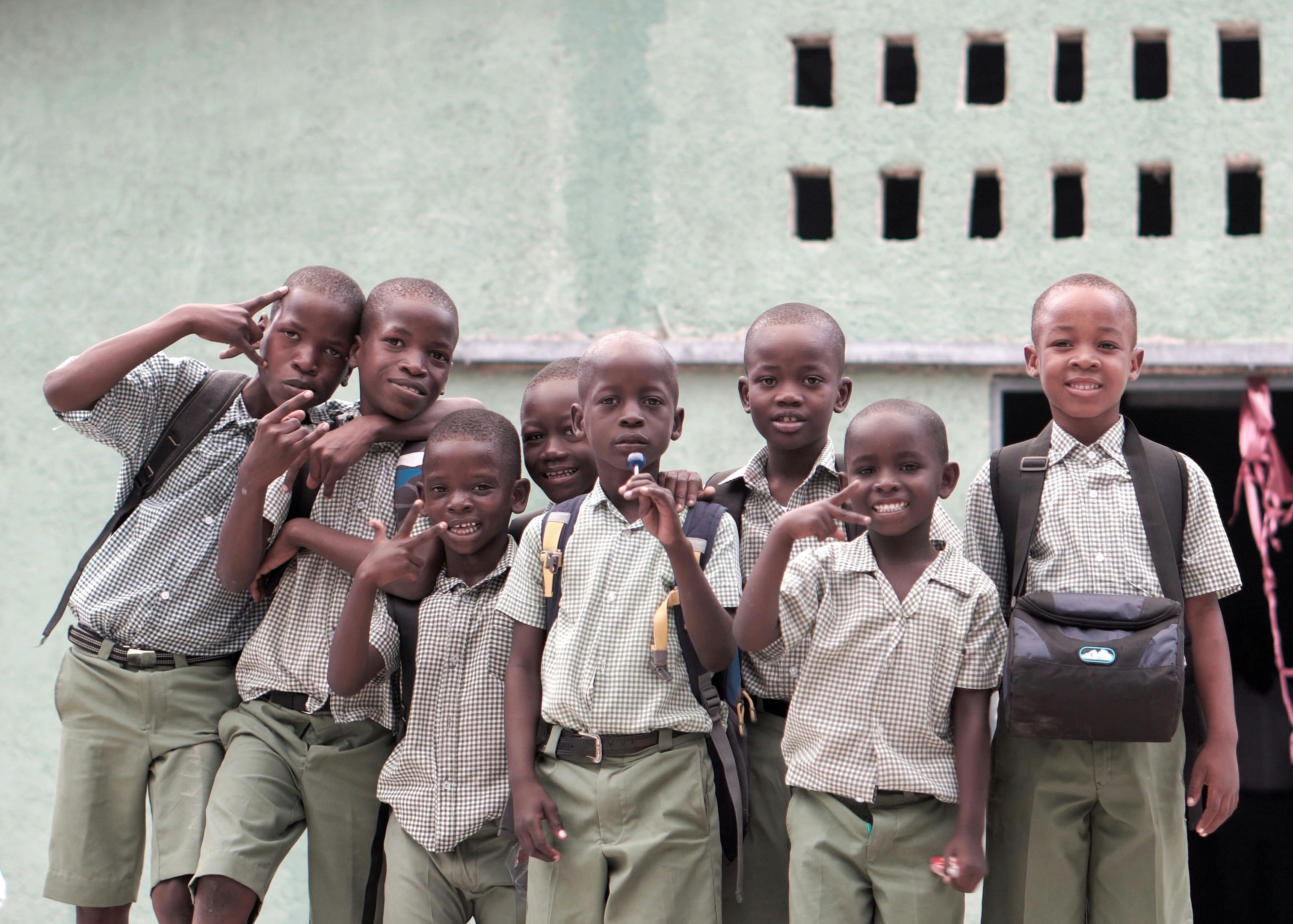
Our sports programs create structured spaces where children and young people can build discipline, teamwork, confidence, and a stronger sense of future possibility.
Progress Over Time
Progress is built through steady support, not isolated moments.
Beyond headline numbers, what matters is the way support keeps showing up around children over time.
Foundation work
A mission built around joined-up support
We work from the understanding that education, health, and youth development must reinforce one another in practice.
Scholarships
Learning support reaches children who need continuity
Scholarship and education support help reduce the risk of interrupted learning and create stronger pathways toward school retention.
Outreach
Health services move closer to communities
Outreach activity brings practical care, consultation, and family-centered support closer to children whose needs are often shaped by location and affordability.
Youth growth
Structured sport becomes a development pathway
By building leagues and organized activity, CZN turns sport into a place for teamwork, confidence, and disciplined growth rather than informal participation alone.
Add to the Impact
Every contribution adds to the numbers you just saw.
Behind every metric is a child whose life moved in a better direction. Your support helps us reach more of them.